

Knowing how to protect floors and walls on moving day is one of those small jobs that saves you a world of stress, and after years on the trucks around Wollongong and the Illawarra, it’s the advice we’d give our own family. A move goes wrong in seconds: a corner of a lounge clips the hallway, a fridge leaves a black skid across the timber, or someone’s boots grind grit into fresh carpet. None of it needs to happen. With a bit of prep and the right coverings, you keep your bond, keep your new home looking sharp, and keep the day moving.
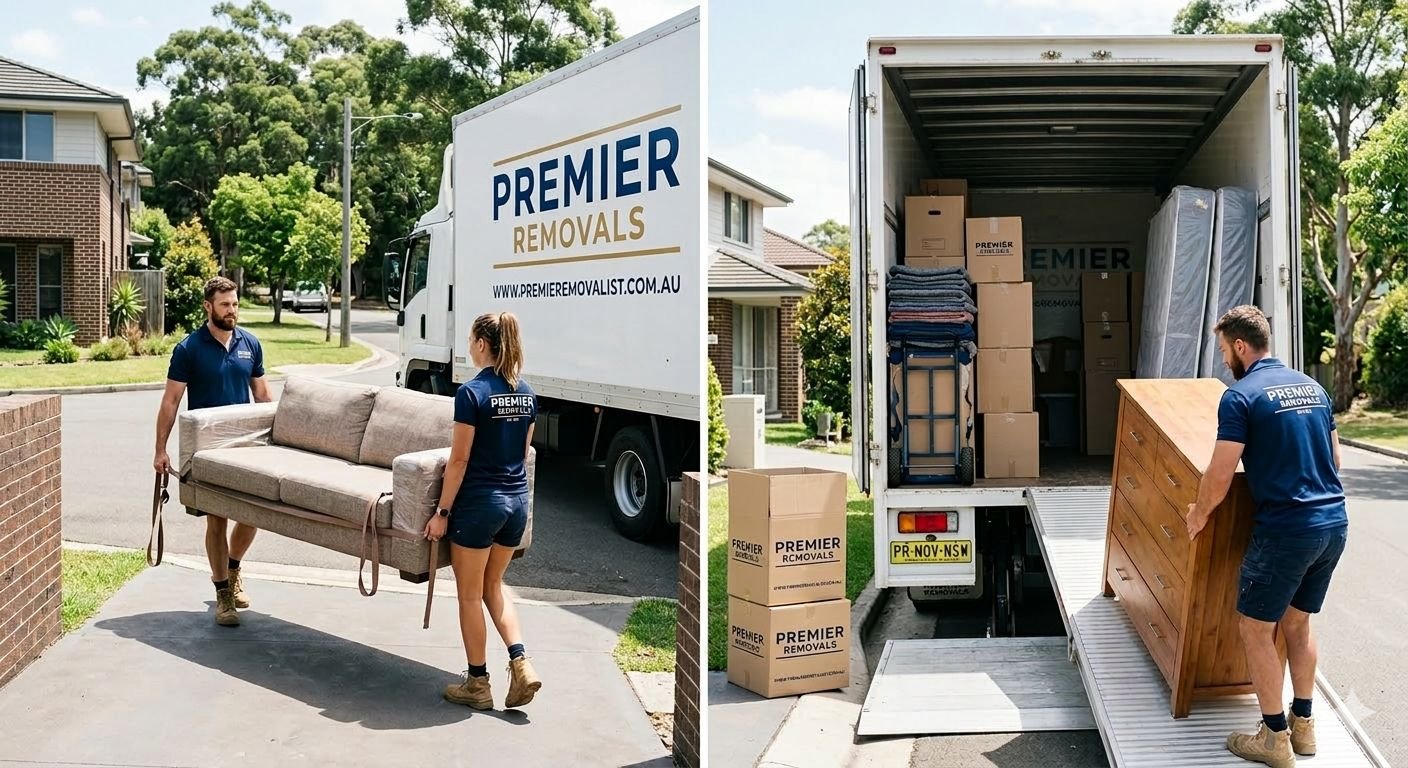
Why it pays to protect floors and walls on moving day
Here’s the honest truth from our side of the truck: floor and wall damage is the number one reason renters lose part of their bond, and it’s an expensive surprise for owners too. A scratched floorboard or a gouged wall corner can cost hundreds to repair, and it almost always happens in the last few metres — the doorway, the hallway turn, the bottom of the stairs. The good news is that protection is cheap and quick compared to the repair bill. Ten minutes of setup at each end of the move is the best insurance you’ll ever buy.
It also speeds the day up. When the crew isn’t tip-toeing around bare timber or squeezing a wardrobe past an unprotected corner, everyone moves faster and with more confidence. Protected surfaces mean we can carry with pace instead of caution.
Protecting your floors
Floors take the most punishment because everything — feet, trolleys, furniture legs — passes over them. The trick is to match the covering to the surface.
Timber, tiles and vinyl
Hard floors scratch and skid. Lay down a continuous path from the front door through the main traffic route using ram board, hardboard, or heavy-duty floor runners. These are made for the job and are safe to walk on carrying a load. Old blankets and drop sheets can work in a pinch, but they slide and become a trip hazard, so tape the edges down with painter’s tape (never regular packing tape on floors — it lifts the finish). For anything heavy on wheels, like a fridge or washing machine, put a sheet of hardboard down first so the castors don’t dig in.
Carpet
Carpet doesn’t scratch, but it stains and crushes. Self-adhesive carpet film is the gold standard — it rolls out fast, grips lightly, and peels off clean. If you don’t have film, run a path of clean drop cloths or old rugs and tape them at the seams. Either way, have everyone swap into clean shoes or slip on disposable booties before they start tracking driveway grit across the lounge room.
Protecting walls, corners and doorways
Walls get hit where furniture changes direction. The usual victims are doorway architraves, the outside corner of a hallway, and the wall at the base of a staircase. A few cheap materials handle nearly all of it:
- Corner guards or foam padding taped over external wall corners and doorframes.
- Moving blankets hung over door edges and skirting where big pieces pivot.
- Flattened cardboard taped along a narrow hallway as a cheap, effective shield.
Before anything gets carried, take down wall art, mirrors, and any lamp or shelf near the route. Less clutter means fewer collisions. And measure your biggest pieces against the doorways and the turn at the end of the hall — knowing a wardrobe won’t fit through the internal door before you’re wedged halfway is exactly the kind of awkward job we’d rather solve on paper than on the day.

Stairs and other high-traffic zones
Stairs are where floors and walls both get hurt at once, because people are focused on their footing and not the wall beside them. Cover the treads with runners or film, pad the handrail and the wall along the staircase, and take heavy items down with two people and a controlled pace — never a rush. Landings, lift lobbies in units, and the strip of floor right inside the front door see the most passes, so double up the protection there. If you’re moving out of an apartment, book the building lift early and check whether management supplies lift padding; a lot of Wollongong buildings do.
The gear we actually use
You don’t need a warehouse of equipment. This short list covers almost every home:
- Ram board or hardboard sheets for hard-floor pathways
- Self-adhesive carpet film for carpeted rooms and stairs
- Foam corner guards and a couple of moving blankets
- Painter’s tape (low-tack) to hold coverings in place
- A trolley or dolly so heavy items are wheeled, not dragged
- Clean shoes or disposable booties for everyone helping
A dolly is the unsung hero here — dragging a fridge or a full tallboy is how most floor gouges happen. Wheeled, controlled, and on a protected path, the same item does no damage at all. This is also where good packing before the day pays off: boxes that are sealed and stacked ready to go mean fewer trips and less time spent manoeuvring around your home.
Common mistakes we see
The biggest one is leaving protection until the crew arrives — by then people just want to start, and the coverings never go down. Do it the night before. The second is using the wrong tape and pulling up the floor’s finish with it; always low-tack painter’s tape on any surface. The third is protecting the rooms but forgetting the pathway between them, which is exactly where the damage happens. Think of the whole route from old front door to truck to new front door as one continuous surface to protect.
If your move includes something genuinely awkward — a piano, a slate table, or an oversized lounge that barely cleared the door going in — that’s worth flagging when you book. Those are the jobs where floor and wall damage is most likely, and where an experienced crew earns its keep.
Handling it as part of the bigger move
Floor and wall protection is one line on a much longer moving-day checklist. It sits alongside disconnecting appliances, doing a final clean, and confirming access at both ends. Our things to do before you move guide walks through the full run-up, and if you’d rather hand the heavy lifting over entirely, our Wollongong house removalists come with the blankets, trolleys and protection as standard. Between moves, our furniture storage can keep the overflow safe so you’re not cramming a truck and risking damage on the way out.
It’s also worth remembering that protecting your home protects your wallet. As Australia’s MoneySmart guide to managing moving house costs points out, unexpected repair and bond deductions are among the hidden expenses that blow a moving budget — and a few dollars of floor film is a lot cheaper than patching a wall.
For unit moves and short hops across the city, ask your removalist in Wollongong about a smaller truck. Same crew, same hourly rate, but it parks where the big one cannot, which saves real time on Wollongong streets.
Frequently asked questions
What is the cheapest way to protect floors and walls on moving day?
Flattened cardboard boxes taped along hallways and over corners, plus old blankets or drop cloths on hard floors, cost almost nothing. Just use low-tack painter’s tape and make sure floor coverings are taped flat so nobody trips. For carpet, a roll of self-adhesive film is inexpensive and far easier to manage.
Should I protect floors even for a short local move?
Yes. Most damage happens in the doorway and hallway, not on the road, so a two-street move carries the same risk as a long one. It only takes a few minutes to lay a path through the main traffic route, and it’s the difference between getting your full bond back and losing part of it.
How do I protect timber floors from a fridge or washing machine?
Never drag them. Slide a sheet of hardboard under the appliance, then use a trolley or appliance dolly to wheel it along a protected path. The hard sheet spreads the weight so castors and feet don’t dent or scratch the boards.
Do removalists supply floor and wall protection?
A good crew brings moving blankets, trolleys and door protection as standard, and will lay coverings on request. It’s always worth confirming when you book, especially if you have delicate timber floors or a tricky staircase — just mention it and we’ll come prepared.
Planning a move around Wollongong or the Illawarra and want it done without a scratch on your floors or walls? Give our team a call on 1300 015 050 — we’ll bring the blankets, trolleys and protection, and give you the honest advice we’d give our own family. Fill in the form below for a quick, no-pressure quote.
