

If you’re weighing up moving insurance before your move, here’s the honest truth from our side of the truck: most local moves go perfectly, but the one time something goes wrong, you’ll be very glad you understood your cover before the truck rolled out. After years on the trucks around Wollongong and the Illawarra, we’ve seen the whole range — from a scratched fridge that was sorted in a day to a family who found out, too late, that their “cover” didn’t cover the thing that broke. This guide explains transit cover in plain English so you can make the call with your eyes open.
What moving insurance actually is
“Moving insurance” is a loose term that really covers two very different things, and mixing them up is where people come unstuck.
The first is your removalist’s liability — the responsibility we carry as a company for goods in our care. Every reputable removalist carries public liability insurance, and we take real care with your belongings. But liability is not the same as a policy that pays out the replacement value of your grandmother’s dresser if it’s damaged. It’s narrower than most people assume.
The second is transit insurance (also called goods-in-transit cover or transit cover) — a separate policy that covers your belongings against loss or damage while they’re being moved. This is the one people mean when they ask, “Am I insured if something breaks?” It can be arranged through your removalist’s insurer, a standalone provider, or sometimes as an add-on to your home and contents policy.
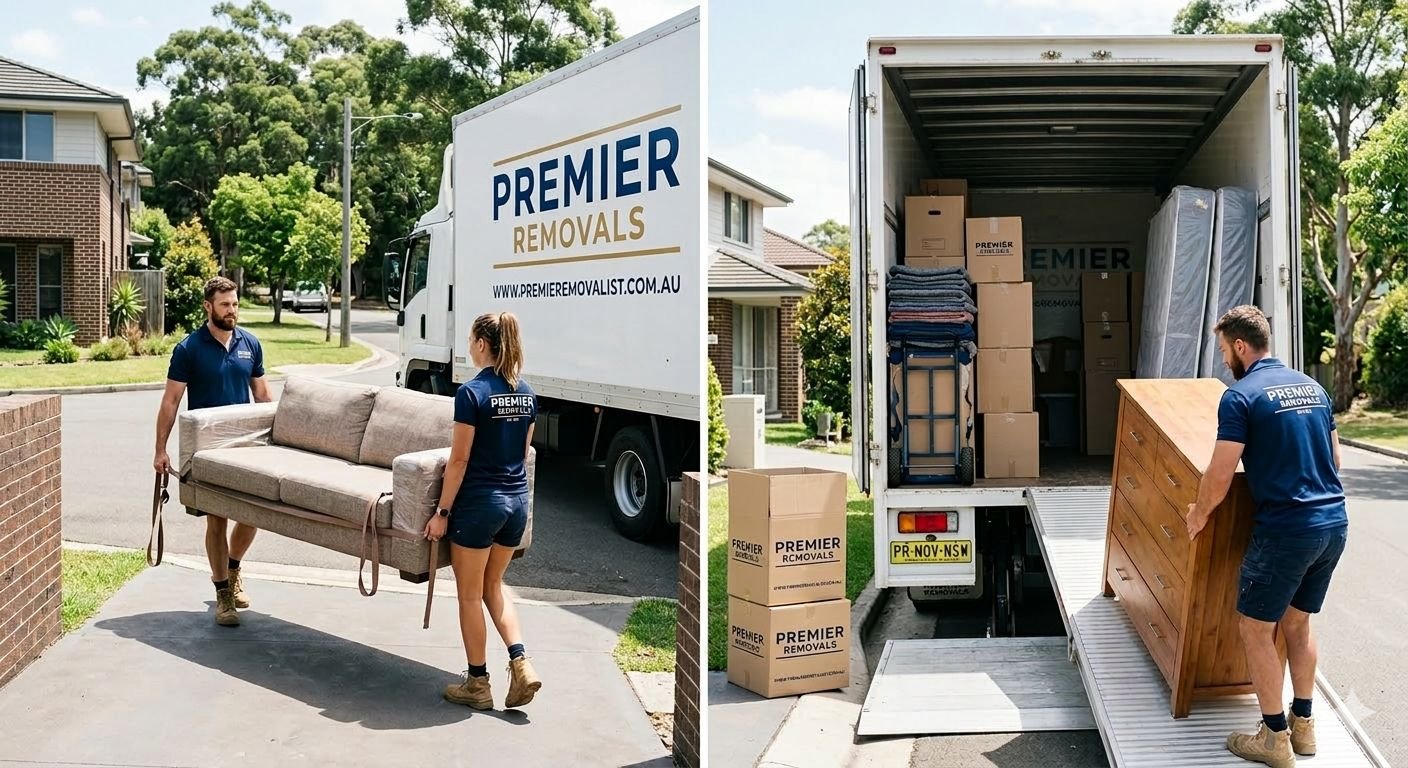
Do you need transit cover? The honest answer
We won’t pretend everyone needs to buy a policy — that wouldn’t be the advice we’d give our own family. For a straightforward local move across Wollongong with an experienced crew, the risk is genuinely low. But there are a few situations where we’d think hard about transit cover:
- You’re moving interstate or backloading. The further your gear travels and the more times it’s handled, the higher the chance of a bump. This is worth a look for anyone doing an interstate move or using a backloading service.
- You own high-value or irreplaceable items. A piano, antiques, artwork, or a big TV can cost more to replace than the entire move. If a single item would really hurt to lose, cover it.
- You’re packing yourself. This is the big one. Most transit policies only pay out on items we packed, because the insurer can’t verify how a self-packed box was filled. If you pack the boxes, damage inside them is usually on you.
- You’re going into or out of storage. Extra handling and time in a facility changes the risk profile.
What transit cover usually does — and doesn’t — protect
Every policy is different, so always read the Product Disclosure Statement. But across the board, here’s the pattern we see.
Typically covered
Accidental damage in transit, loss from theft or fire, and damage from a traffic accident while your goods are on the truck. Some policies also cover damage during loading and unloading by the crew.
Typically NOT covered
This is where people get caught out. Common exclusions include:
- Items you packed yourself (self-pack boxes), unless there’s obvious external damage to the carton.
- Scratches, chips, dents and “wear and tear” on furniture that isn’t wrapped or crated.
- Mechanical or electrical faults that appear after the move but can’t be linked to a specific incident.
- Perishables, cash, jewellery and important documents — move these yourself.
- Pairs and sets (losing one item doesn’t always pay out the value of the set).
The Australian Government’s MoneySmart guide to managing moving costs is a good neutral read on budgeting for a move, including where insurance fits in.
Removalist liability vs your own policy
A quick word on the difference, because it matters. When goods are in our care we take responsibility for them, and we’ll always do the right thing — but a removalist’s liability is limited and isn’t designed to be a like-for-like replacement policy. A dedicated transit policy is. If total peace of mind is what you’re after on a big or valuable move, a proper policy sitting alongside our care is the belt-and-braces approach.
It’s also worth phoning your existing home and contents insurer. Some policies extend to cover your belongings during a move, or let you add transit cover cheaply for a short window. If you’re already paying for contents cover, you might be part-way there without realising it.
How to keep your risk (and your premium) low
Insurance is a safety net, not a substitute for doing the move well. The best way to avoid a claim is to never need one, and a lot of that comes down to packing and crew.
Box everything. The single biggest cause of damage we see is loose, unboxed items — lamps, mirrors, odd bits balanced on top of a load. If it’s in a proper carton, it survives. Our room-by-room packing guide walks through how to do it properly, and if you’d rather hand it off, our house removals team can pack for you — which, handily, is also what keeps items eligible under most transit policies.
Use an experienced crew who load like a game of Tetris, wrap the timber and glass, and know how to get an awkward item down a tight Illawarra stairwell without a scratch. Cheap-and-cheerful movers who rush the load are exactly how “I thought I was covered” stories start.
After years on the trucks as removalist in Wollongong, the one thing we would tell our own family is to box everything before the crew arrives. Loose items are the single biggest reason a move runs over, and every extra hour is on your bill.
Frequently asked questions
Is moving insurance worth it for a local move?
For a short local move with a professional crew, the risk is low and many people skip a standalone policy. We’d still recommend transit cover if you’re moving anything high-value or irreplaceable, or if you’re packing the boxes yourself.
Does my removalist automatically insure my belongings?
Not in the way most people think. We carry public liability and take genuine care of your goods, but that’s not the same as a transit policy that pays out replacement value. If you want that level of protection, arrange transit cover — through us, a standalone insurer, or your home and contents provider.
Why won’t insurance cover boxes I packed myself?
Because the insurer can’t see how a self-packed box was filled or padded, most policies only pay out on damage to items the removalist packed — or where there’s clear external damage to the carton. If you want full cover, let us do the packing.
What should I never put on the truck?
Cash, jewellery, passports, medication and important documents. These are usually excluded from cover and are far too easy to misplace in a move — carry them with you.
The bottom line
Moving insurance isn’t about expecting the worst — it’s about knowing exactly where you stand before the truck pulls away. For a small local move you may be comfortable without a standalone policy; for a valuable, interstate, or self-packed move, transit cover is cheap peace of mind. Either way, the biggest protection is a careful, experienced crew and everything packed properly.
Not sure what your move needs? Give the Premier Removalist team a call on 1300 015 050 and we’ll give you the honest rundown — what’s low-risk, what’s worth insuring, and how we’ll look after your gear either way. No pressure, just straight advice from a local Wollongong crew.
