

Learning how to declutter before you move is the single cheapest way to shave time, stress and dollars off your moving day. After years on the trucks around Wollongong and the Illawarra, we can tell you the honest truth: half the boxes we lug up stairs are full of stuff nobody has touched in years. Every extra box is more time, more truck space, and more you pay. So before you tape a single carton shut, let’s clear the decks properly — room by room, the way we’d tell our own family to do it.
Why decluttering before a move actually saves you money
Removalists charge for either time or truck space (or both). Less to carry means fewer trips, a smaller truck, and a shorter day. It’s that simple. We’ve watched people pay to move a garage full of broken junk across town, only to bin it a week later. Do the sorting first and you’re not paying us — or anyone — to shift things you were always going to throw out.
There’s a second win too. A decluttered move is easier to unpack. You arrive at the new place with only what you actually want, so setting up your home is faster and calmer. If you want the full rundown on prepping, our guide on things to do before you move pairs perfectly with this one.

Start early and work the four-box method
The biggest mistake we see is people trying to declutter on packing day. Don’t. Start three to four weeks out and do one room at a time. In each room, set up four zones: Keep, Donate/Sell, Rubbish, and Not sure. Touch each item once and make a call. The “not sure” box is your safety valve — if you haven’t reached for anything in it a week later, it goes.
Our one rule of thumb after years of doing this: if you forgot you owned it, you won’t miss it. Be blunt with yourself. It’s the fastest way through.
The room-by-room declutter checklist
Kitchen
Kitchens hide the most dead weight. Toss chipped mugs, mismatched containers with no lids, and the appliances you swore you’d use. Check use-by dates in the pantry — there’s no sense paying to move a tin of chickpeas from 2019. Pack what survives carefully; our how to pack for a move guide covers wrapping the fragile bits so nothing rattles.
Wardrobes and bedrooms
The honest test: if you haven’t worn it in a year, it’s not coming. Bag clothes for donation, and keep only shoes you actually wear. Bedding you never use, spare pillows going flat — out they go. Wardrobes empty out fast once you stop negotiating with yourself.
Bathroom
Half-used bottles, expired medications, hotel soaps you’ve hoarded — bin the lot. Bathroom items are heavy and leak in transit, so travel light here. Only pack the products you use daily.
Living room
Books, DVDs, decor and cables. Be ruthless with the cable drawer — nobody needs eleven old phone chargers. Donate books you won’t reread. Media collections are heavy; digitise what you can.
Garage, shed and laundry
This is where moves go to die. Broken tools, half-empty paint tins, rusted camping gear. Paint and chemicals can’t legally go on the truck anyway, so dispose of them properly at a Wollongong waste facility. What’s left and worth keeping but not needed day-to-day is a good candidate for furniture storage in Wollongong rather than cluttering the new place.
Sell, donate or dump: getting it out the door
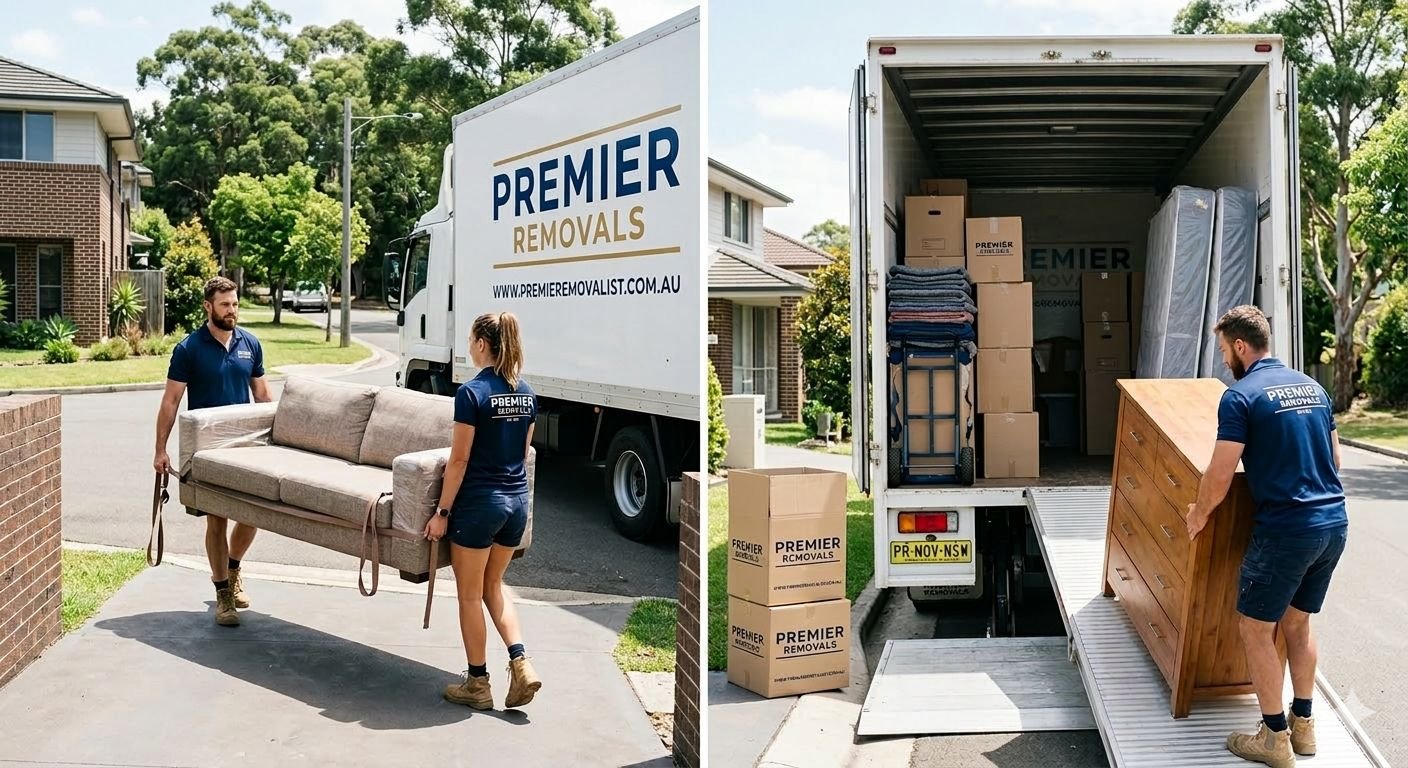
Once you’ve sorted, don’t let the piles sit. Sell the decent stuff early on Facebook Marketplace or Gumtree — furniture, electronics and appliances move quickly and put cash back in your pocket for the move. Donate clothing and household goods to Vinnies, Salvos or a local Wollongong op shop; most take clean, working items. Dump the rest responsibly, and book a council kerbside pickup or a trailer run to the tip if you’ve got a big load.
Selling a few bigger pieces is one of the easiest ways to move on a budget — we go deeper on that in our moving house on a budget guide. For a realistic picture of moving costs generally, the government’s MoneySmart guide to managing moving house costs is a solid, no-nonsense read.
What to keep, even if you’re tempted to toss it
Decluttering is good, but don’t get carried away. Keep important documents, sentimental items that genuinely matter, and anything expensive to replace. The goal is lighter, not regretful. Set aside an “essentials” box for the first night too — kettle, chargers, toiletries, a change of clothes — so you’re not digging through cartons at 10pm.
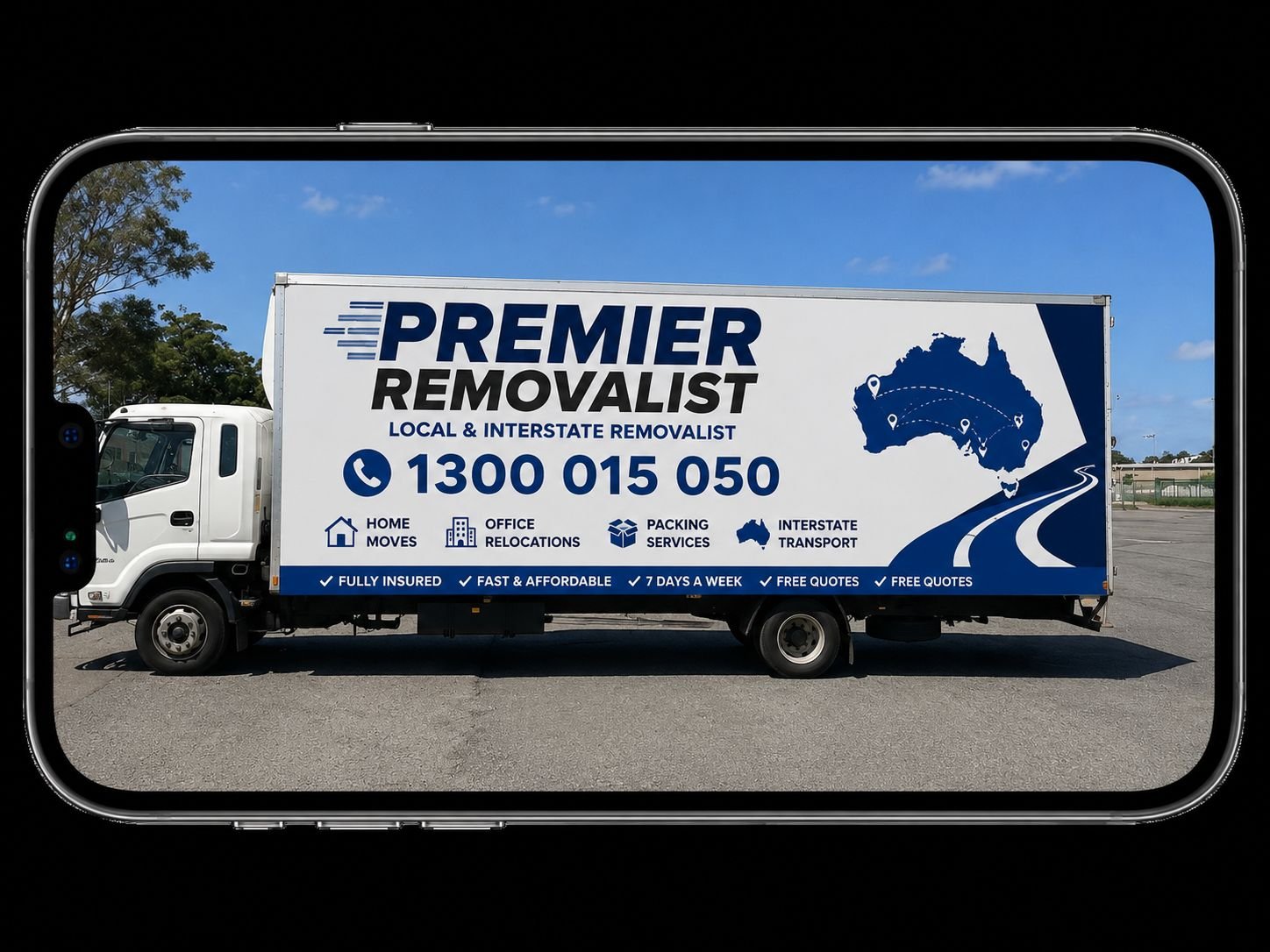
Not every job is a full house move. As a removals company Wollongong we also shift furniture within the same home, for example clearing rooms before floor sanding or new carpet and putting it all back a week later. If the tradie has said “not our job”, it is ours.
Frequently asked questions
How far ahead should I declutter before you move day?
Start three to four weeks before moving day. That gives you time to do one room at a time without the pressure, and enough runway to sell or donate items before the truck arrives. Leaving it to the last week is how good stuff ends up in the skip by accident.
Will decluttering really lower my removalist cost?
Yes. Fewer boxes and less furniture means less time and a smaller truck, and both drive the price. It’s the most reliable way to cut a quote. Tell us roughly how many cubic metres you’re moving and we’ll size the crew and truck to match — see our Wollongong cost guide for how pricing works.
What should I do with things I can’t decide on?
Use a “not sure” box. If you haven’t opened it a week later, you clearly don’t need the contents — donate or bin it. For valuable items you want but don’t have room for, short-term storage is a smart middle ground.
Can removalists take my rubbish or old furniture away?
We move what you’re keeping, not tip runs, and by law we can’t carry paint, gas bottles or chemicals. For unwanted furniture in good nick, donation pickup or Marketplace is your friend. Ask us and we’ll point you to the easiest option for your area.
Ready to move lighter?
Get the decluttering done and the rest is easy — and that’s where we come in. Premier Removalist is a local Wollongong and Illawarra team who’ll give you an honest quote based on what you’re actually moving. Call us on 1300 015 050 or fill in the form below and we’ll sort you out. Have a look at our house removalists service while you’re here.
