

Moving house in winter around Wollongong? Down here in the Illawarra, winter doesn’t mean snow — it means rain, wet driveways and shorter days. After years on the trucks, I’ll tell you straight: a winter move is completely doable, and often cheaper, as long as you plan for the weather. Here’s how we keep a wet-weather move quick, dry and stress-free.
Get these basics right and rain won’t cost you a thing.
The upside of moving house in winter
It’s not all grey skies. Winter is the quiet season for removals, which means the good removalists in Wollongong are easier to book and you’ve got more choice of dates. Demand is lower than the summer rush, so it’s a smart time to move if you can pick your day.

8 tips for a wet-weather move
1. Watch the forecast and pick your day
Keep an eye on the Bureau of Meteorology forecast for Wollongong in the lead-up. If you can shift your move by a day to dodge the worst of the rain, do it. If not, no drama — we move in the wet all winter.
2. Wrap furniture in plastic, not just blankets
Padding blankets soak through in the rain. For a winter move, wrap lounges, mattresses and timber pieces in plastic or shrink-wrap so the water stays out. We bring proper protection, but if you’re packing yourself, grab some plastic wrap.
3. Protect your floors at both ends
Wet boots and rain make floors slippery and muddy. Lay down old towels, sheets or floor runners at the doorways of both homes, and keep a stack of towels handy to wipe down as you go. It keeps everyone safe and your new carpet clean.
4. Keep boxes off the wet ground
Never sit boxes straight on a wet driveway or lawn — the bottoms give out. Stage them on a tarp, a pallet or just inside the door, and load straight from undercover where you can.
5. Double-protect electronics
Moisture and electronics don’t mix. Wrap TVs and computers in plastic over their padding, and keep them in the cab or load them last and unload them first so they spend the least time exposed.
6. Start early — you’ve got less daylight
Winter days are short, so book an early start. Getting going in the morning means you finish in the light, which makes loading and the drive safer.
7. Clear and grit the pathways
Sweep leaves off paths and steps, because wet leaves are slippery. Make sure the route from door to truck is clear at both homes so no one slips with a load.
8. Keep a warm kit handy
Pack a “moving day kit” you keep with you: a change of dry clothes, a towel, the kettle and some mugs, and snacks. A hot cuppa halfway through a wet move does wonders for morale.
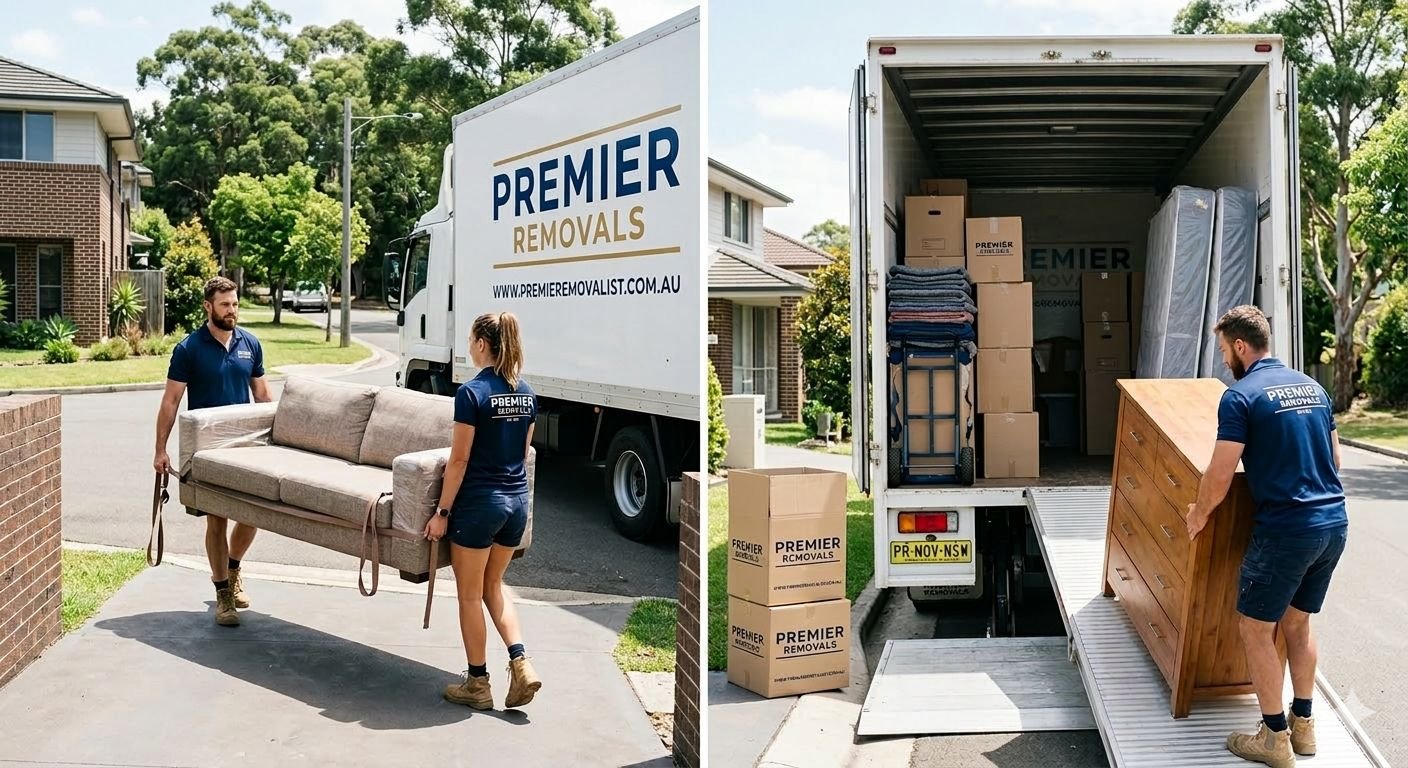
What We Load First and Last on a Wet Day
The order things go on the truck matters far more in winter than it does in January, and it is the part most people never think about. On a wet day we load in a completely different sequence.
Mattresses, lounges and anything upholstered go on last and come off first. Fabric is the one thing that genuinely cannot be saved once it soaks through — a mattress that gets wet on the truck will smell for months, and a fabric lounge left damp under a blanket will spot with mould in under a week. Keeping them until the end means the shortest possible time in the weather at both ends.
Boxes and hard furniture go on early, deeper in the truck, where the tailgate keeps the rain off. Electronics ride in the middle of the load, off the floor, never against the truck wall where condensation collects. And nothing gets stacked directly on the truck floor if the floor is wet — we lay blankets or pallets first.
If you are packing yourself, tell the crew which boxes hold anything absorbent. Bedding, towels, books and paperwork are the ones that suffer, and they are also the ones people put in flimsy second-hand boxes. Wet cardboard collapses, and a collapsed box is how things actually get broken.
Condensation Is the Winter Problem Nobody Warns You About
Rain you can see and plan for. Condensation is the sneaky one. Anything cold that comes in out of the weather and gets sealed up — a fridge, a washing machine, a wrapped lounge, a plastic-covered mattress — will sweat on the inside.
Two rules. First, do not shrink-wrap upholstery and leave it wrapped for days at the other end. Plastic is there to get it from the door to the truck, not to live in. Unwrap it the same day. Second, if anything is going into furniture storage over winter, make sure it goes in genuinely dry, and use covers that breathe rather than sealed plastic. We have seen perfectly good lounges come out of a shed with mould down one side purely because they went in slightly damp and got wrapped tight.
You Have Less Daylight Than You Think
In an Illawarra winter you have usable light from about seven in the morning until around five in the afternoon, and the last hour of that is dim. That is a genuinely short working day compared to summer, and it catches people out because they book the crew for nine and spend the first hour finishing the packing.
Be ready before we arrive. That means boxes sealed, labelled and stacked by the front door, beds already pulled apart, and the fridge already emptied and defrosted. Every hour we spend waiting on packing in June is an hour of daylight you do not get back at the other end, and unloading in the dark and the rain is how floors get scratched and boxes get dropped. If you are not going to be ready, tell us honestly when you book and we will start earlier or bring an extra pair of hands.
Also worth arranging before the day: make sure the power is on at the new place. Carrying a lounge into a dark, cold house at half past five with your phone torch in your teeth is nobody’s idea of a good move.
Winter Is the Best Time to Get a Good Crew
Here is something the industry does not advertise. Winter is our quiet season. Nobody wants to move in the rain, so June, July and August are the easiest months of the year to get the crew and the truck you actually want, on the date you actually want, without booking six weeks out.
That matters more than the price. The difference between a good crew and a cheap one shows up on a wet day more than any other day — knowing how to load in the rain, how to protect a floor, how to keep a job moving when the driveway is slick. In summer the good crews are booked solid and you take what is left. In winter you can have your pick. Our house removalists team runs right through winter and we would rather do a well-planned wet-weather move than a rushed one in the heat.
Have the New House Ready Before the Truck Arrives
Do these four things at the new place the day before, not on the day:
- Turn the heating on. A cold empty house takes hours to warm up, and you will be unpacking in it all evening.
- Lay down floor protection at the entry. Old sheets, cardboard, a proper runner — anything is better than nothing. Wet boots and a timber hallway do not mix.
- Have towels and a mop by the door. Not packed at the bottom of a box in the garage.
- Clear and check the driveway. Wet leaves on a sloped Illawarra driveway are genuinely dangerous with a fridge on a trolley. Sweep it.
And pack an open-first box you keep in your own car: kettle, mugs, tea, towels, a change of dry socks, phone chargers and the kids’ or the dog’s essentials. Everyone recommends this box. In winter it stops being a nice idea and starts being the difference between a bearable evening and a miserable one. Our list of things to do before you move covers the rest of the run-up.
How a local crew handles a winter move
The honest truth from our side of the truck: rain only slows a move down if you’re not set up for it. We come prepared with waterproof wrapping and floor protection, we plan the load so the weather-sensitive gear is covered, and we know the Illawarra streets that flood or get slippery. Good packing helps too — our room-by-room packing guide keeps everything sealed and quick to load, and our packing service can do it all for you.
After years on the trucks as removalists Wollongong, the one thing we would tell our own family is to box everything before the crew arrives. Loose items are the single biggest reason a move runs over, and every extra hour is on your bill.
Frequently asked questions
Is it cheaper to move house in winter?
Often, yes. Winter is the quiet season for removalists in Wollongong, so you’ll usually find more availability and better dates than during the summer rush.
What happens if it rains on moving day?
We still move — we just plan for it. Furniture gets wrapped in plastic, floors are protected, and weather-sensitive items are covered and loaded smartly. A bit of rain won’t stop a well-organised move.
How do I protect my furniture from the rain?
Wrap it in plastic or shrink-wrap rather than relying on blankets alone, keep boxes off the wet ground, and load straight from undercover where possible.
Should I reschedule if heavy rain is forecast?
Only if there’s genuine flooding or a storm warning. For normal winter rain, a prepared crew handles it fine — just give us a heads-up about tricky access.
Do removalists work in the rain?
Yes. Rain is not a reason to stop — we move houses through Illawarra winters every year and we carry plastic, blankets, floor runners and pallets for exactly this. What genuinely stops a job is dangerous weather: high winds that make carrying large flat items unsafe, or flooding. We will tell you honestly on the morning if that is the case.
Can I put damp furniture into storage over winter?
No. It has to go in dry, and it should be covered with something that breathes rather than sealed in plastic. Damp furniture wrapped tight in a storage unit is how you get mould, and by the time you notice it is usually too late for fabric.
How far ahead should I book a winter move?
Two to three weeks is usually plenty, which is one of the real advantages of moving in the off season. Compare that to the end of a summer month when six weeks is tight. If your move lands on the last few days of a month, add a bit more lead time regardless of the season.
Get a quote for your winter move
Planning a move this winter around Wollongong or the Illawarra? Tell us your date and we’ll send an honest, no-obligation quote — rain, hail or shine. Fill in the form below or call our team on 1300 015 050.
